Cara Cara Orange: The Vibrant Citrus You Need to Try
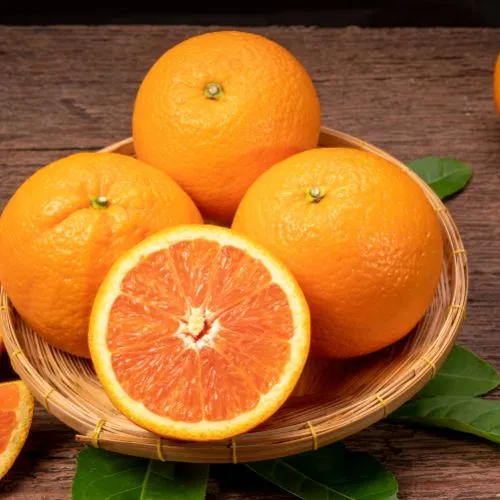
Are you ready to discover a citrus fruit that stands out from the rest? Meet the Cara Cara orange, a sweet, juicy variety bursting with flavor and color. With its stunning pinkish-red flesh and naturally balanced sweetness, this unique fruit offers an incredible taste experience that sets it apart from traditional navel or blood oranges. Whether you’re adding a burst of citrus to your smoothie or enjoying a refreshing snack, the Cara Cara orange is here to brighten your day!
Table of Contents
What Are Cara Cara Oranges?
| Feature | Description |
|---|---|
| Type | Navel orange variety |
| Color | Pinkish-red flesh (due to lycopene) |
| Flavor | Sweet with berry-like undertones, low acidity |
| Texture | Juicy, smooth, and easy to peel |
| Seed Content | Few or none (seedless) |
| Origin | Discovered in Venezuela in the 1970s |
| Availability | Late winter to early spring (December–April) |
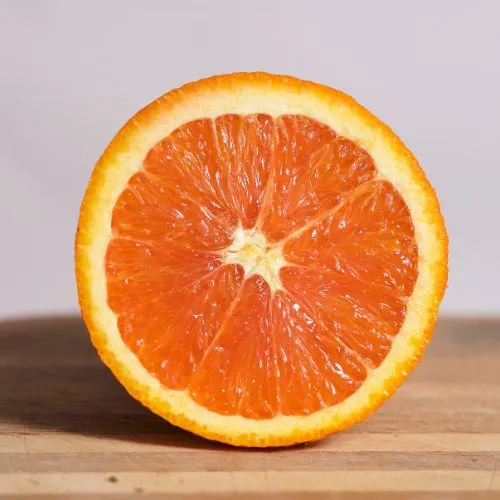
Cara Cara oranges stand out for their unique pinkish-red flesh, which results from their high lycopene content. Their balanced sweetness and low acidity make them a favorite among citrus lovers.
Are Cara Cara Oranges Genetically Modified?
No, Cara Cara oranges are not genetically modified. They originated as a natural mutation of navel oranges and have been cultivated using traditional breeding methods. Their sweet flavor and unique color are 100% natural!
Growing a Cara Cara Orange Tree
| Growth Factor | Requirements |
|---|---|
| Height | Up to 15 feet tall |
| Climate | Warm, sunny conditions |
| Soil | Well-draining, slightly acidic soil |
| Watering | Regular, but avoid overwatering |
| Maintenance | Occasional pruning for better fruit yield |
| Attracts | Bees and butterflies (pollinator-friendly) |
A Cara Cara orange tree is a great addition to a home garden, offering both delicious fruit and fragrant blossoms that attract pollinators.
Cara Cara Orange vs. Grapefruit
| Feature | Cara Cara Orange | Grapefruit |
|---|---|---|
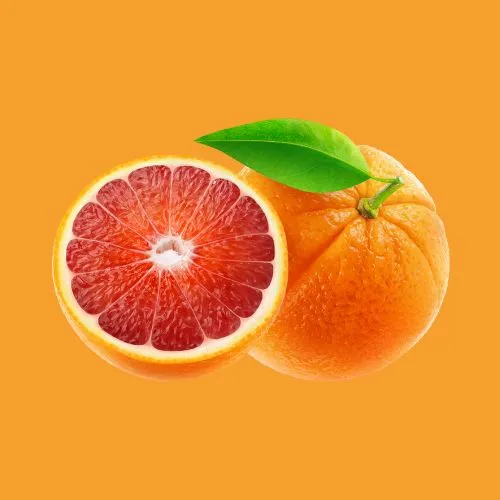
| Flavor | Sweet with berry-like undertones | Tart to mildly bitter |
| Color | Pinkish-red flesh | Yellow to pink flesh |
| Acidity | Low | Higher acidity |
| Peel Thickness | Thin and easy to peel | Thicker and harder to peel |
| Common Uses | Fresh eating, salads, desserts | Juices, breakfast fruit |
Although Cara Caras and grapefruits look similar, their flavors are very different—Cara Caras are sweet, while grapefruits have a more tart bite.
When Are Cara Cara Orange in Season?
| Season | Availability |
|---|---|
| December – April | Peak season (best flavor and freshness) |
| January – February | Highest quality and easiest to find |
| Off-Season | Rarely available |
Look for Cara Cara oranges in grocery stores and farmers’ markets from December to April, with the best quality found between January and February.
Health Benefits of Cara Cara Oranges
| Nutrient | Benefit |
|---|---|
| Vitamin C | Boosts immune system and skin health |
| Lycopene (Antioxidants) | Protects against free radicals and may lower disease risk |
| Fiber | Supports digestion and heart health |
| Potassium | Helps regulate blood pressure and muscle function |
| Low Calories | Great for weight management |
Cara Cara oranges are nutrient-packed, making them a healthy and delicious addition to your diet!
Cara Cara Orange vs. Navel Orange: Nutrition
| Nutrient | Cara Cara Orange | Navel Orange |
|---|---|---|
| Calories | ~70 per medium fruit | ~70 per medium fruit |
| Vitamin C | High | High |
| Vitamin A | Higher levels | Moderate |
| Fiber | Slightly more | Slightly less |
| Taste | Sweeter, berry-like | Classic citrus flavor |
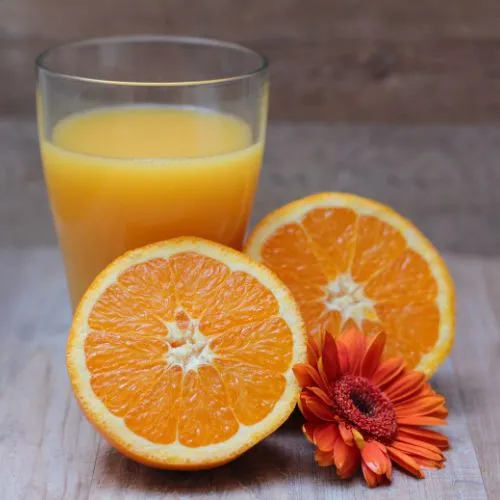
Cara Caras have a sweeter flavor and more vitamin A compared to standard navel oranges.
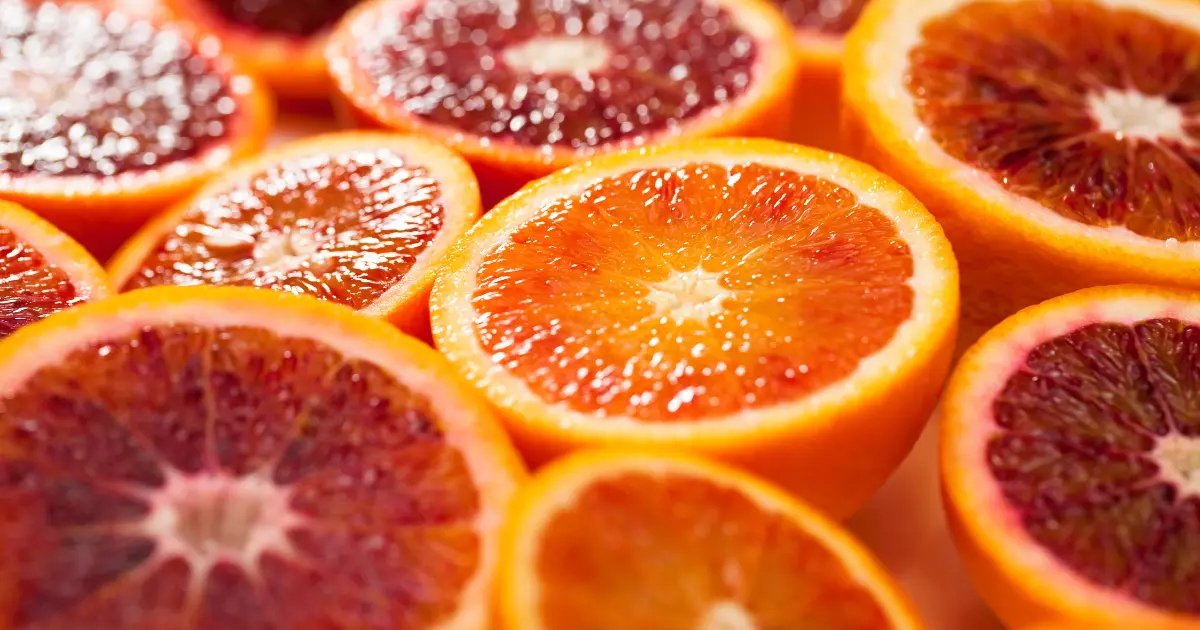
Cara Cara Orange vs. Blood Orange

| Feature | Cara Cara Orange | Blood Orange |
|---|---|---|
| Flesh Color | Pinkish-red | Deep red to purple |
| Flavor | Sweet with berry-like notes | Tart with raspberry/spice notes |
| Antioxidants | Lycopene (great for skin & immunity) | Anthocyanins (powerful heart-healthy antioxidants) |
| Best For | Fresh eating, smoothies, desserts | Juices, cocktails, savory dishes |
Both fruits are rich in antioxidants, but blood oranges have a more tart, complex flavor, while Cara Caras are naturally sweet.
How to Enjoy Cara Cara Oranges
| Use | Description |
|---|---|
| Fresh Snacking | Peel and enjoy for a quick, juicy treat |
| Smoothies & Juices | Blend for a naturally sweet, refreshing drink |
| Salads | Adds vibrant color and a burst of citrusy sweetness |
| Desserts | Perfect for fruit tarts, sorbets, or cakes |
| Cocktails & Infused Water | Enhances drinks with a bright citrus twist |
Cara Cara oranges are versatile, working well in both sweet and savory dishes.
Final Thoughts
If you’re looking for a sweet, low-acid, and nutrient-packed citrus fruit, Cara Cara oranges are a must-try. Their delicious flavor, vibrant color, and health benefits make them a standout choice for snacking, cooking, and juicing.
So next time you’re at the grocery store, grab a few Cara Caras and enjoy their refreshing goodness!